

Sometimes the things that seem completely insignificant are the ones that can turn into something much bigger.
That is exactly what happened to my French Bulldog, Grimly.

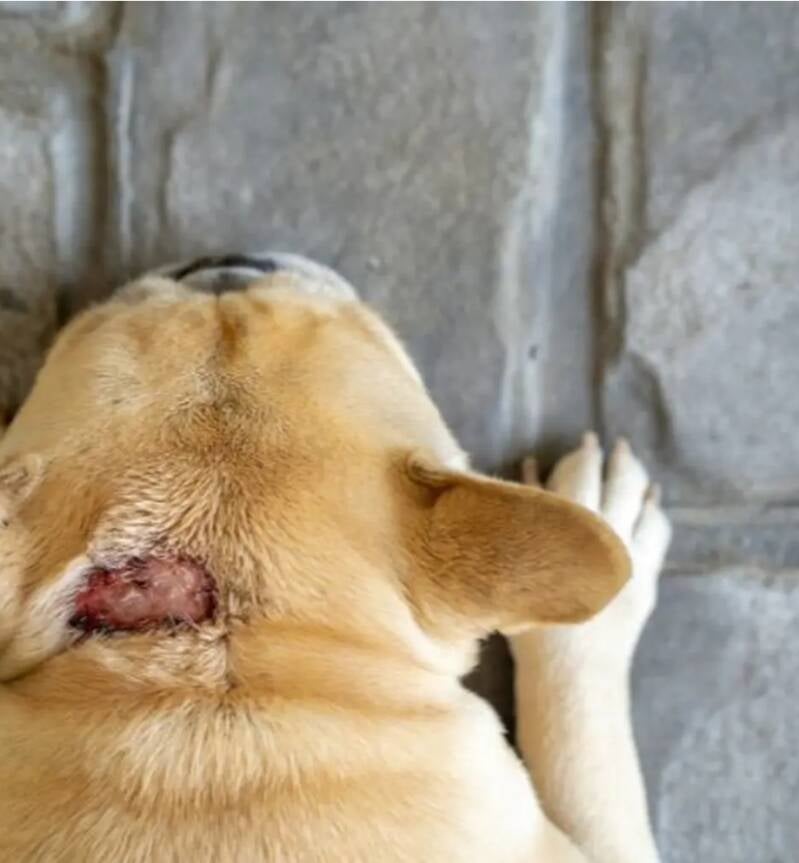
What started as something that looked like a tiny insect attached to his fur eventually became a large, painful-looking open wound that seemed to get bigger almost by the hour.
And if you have never seen a dog hot spot before, you might not even realize how quickly something so small can turn into a serious skin problem.
This is Grimly’s story.
But it is also everything I wish more dog owners knew about hot spots before seeing one on their own dog.
It started with something so small
We were in Long Island.
At the time, I was recovering from an injury and wearing a boot, so walking around the city was difficult for me. We were staying at friends’ house, where Grimly had access to their yard.
I don't know exactly what caused the problem.
Maybe something in the grass.
Maybe an insect.
Maybe something that irritated his skin.
All I know is that I noticed a tiny little insect attached to his fur.
It didn't look like a major problem.
I removed it.
And that should have been the end of the story.
Except it wasn't.
Soon afterward, I noticed that Grimly was bothering the area.
Then the fur around it started changing.
Then the skin became irritated.
And suddenly, what had looked like a tiny bite or irritation was becoming an actual wound.
The hair began to disappear around the area, exposing more and more irritated skin.
The affected area continued to expand.
There was redness, moisture, blood and eventually pus.
Blood, pus and that horrible moment when you realize it is infected
hot spot isn't always infected.
But when you start seeing discharge, pus, significant swelling, a bad odor, extensive redness or a wound that continues to worsen, it is time to take it seriously.
An infected skin wound can require veterinary treatment.
Depending on the cause and severity, a veterinarian may recommend cleaning the area, clipping the surrounding fur, topical treatment, antibiotics, anti-inflammatory medication, treatment for allergies or parasites, or other care.
The treatment depends on what is actually causing the problem.
And that's important.
A hot spot isn't always just a wound that needs a cream.
Sometimes there is an underlying reason the dog developed it in the first place.
What exactly is a hot spot?
A hot spot, also called acute moist dermatitis, is an area of inflamed, irritated and often infected skin.
Hot spots can develop very quickly.
They are particularly common in dogs with thick coats, dense fur or skin that tends to stay warm and moist.
And the frustrating thing is that there isn't always one obvious cause.
A hot spot can begin after:
An insect bite
Flea or tick irritation
Allergies
Environmental allergies
Moisture trapped in the fur
Swimming
Bathing
Excessive licking
Excessive scratching
A small wound or scratch
Skin irritation
Matted fur
Bacterial infection
Something irritating the skin
Sometimes the original trigger is so small that you never actually discover what caused it.

The important thing is what happens afterward.
The dog scratches or licks the irritated area.
That damages the skin.
The damaged skin becomes even more irritated.
Bacteria can multiply.
The dog continues licking and scratching.
The wound becomes wetter.
The inflammation increases.
And the cycle continues.
That is why hot spots can appear to explode in size so quickly.
Why do hot spots get so big so fast?
This was probably the most surprising part for me.
You might think that if the original problem is a tiny bite, the resulting skin problem should also be tiny.
Unfortunately, that's not necessarily how it works.
Dogs don't understand that licking or scratching a wound will make it worse.
If something itches, they scratch.
If something hurts or irritates them, they lick it.
This was probably the most surprising part for me.
You might think that if the original problem is a tiny bite, the resulting skin problem should also be tiny.
Unfortunately, that's not necessarily how it works.
Dogs don't understand that licking or scratching a wound will make it worse.
If something itches, they scratch.
If something hurts or irritates them, they lick it.
And when the skin is already inflamed, all of that attention can cause additional trauma.
The fur can also make things worse.
Moisture, bacteria and warmth can become trapped close to the skin.
This creates an environment where irritation and infection can progress rapidly.
The result can be a circular or irregular area where the fur has disappeared and the skin underneath is bright red, wet, raw, crusted or oozing.
Sometimes the area can become much larger than the original irritation.
And that is exactly why early intervention matters.
The fur can hide what is happening underneath
One of the hardest things about identifying a skin problem in a dog is that you may not immediately see it.
A dog can have a small irritated spot underneath a thick layer of fur.
By the time you notice that something is wrong, the skin underneath may already be significantly irritated.
This is one reason regular checks are so important.
When I brush Grimly or pet him, I try to actually pay attention to his skin rather than simply looking at his coat.
Look for areas that are:
Red
Damp
Warm
Swollen
Crusty
Smelly
Missing fur
Bleeding
Oozing
Being repeatedly scratched or licked
Your dog may also tell you that something is wrong through behavior.
If your dog suddenly keeps scratching one particular area, licking one spot repeatedly, rubbing against furniture or becoming unusually bothered when you touch a certain area, take a closer look.

The moment the hair starts disappearing
For me, seeing Grimly's fur disappear around the wound was one of the moments when I realized this wasn't simply a little insect bite anymore.
The affected area seemed to become more visible as the surrounding hair came away.
This is something that can happen with hot spots because the skin becomes extremely irritated and the dog may scratch, bite or lick the area.
The hair can also become wet and stuck together.
Eventually, the skin is exposed.
And once you can actually see the skin, the severity of the irritation becomes much more obvious.
What had been hidden underneath the fur was now impossible to ignore.
Blood, pus and that horrible moment when you realize it is infected
A hot spot isn't always infected.
But when you start seeing discharge, pus, significant swelling, a bad odor, extensive redness or a wound that continues to worsen, it is time to take it seriously.
An infected skin wound can require veterinary treatment.
Depending on the cause and severity, a veterinarian may recommend cleaning the area, clipping the surrounding fur, topical treatment, antibiotics, anti-inflammatory medication, treatment for allergies or parasites, or other care.
The treatment depends on what is actually causing the problem.
And that's important.
A hot spot isn't always just a wound that needs a cream.
Sometimes there is an underlying reason the dog developed it in the first place.

The sooner you act, the better
If there is one thing I would tell another dog parent after what happened with Grimly, it is this:
Don't wait for a small irritated area to become a large wound.
When you first notice redness, itching, licking or a suspicious patch of skin, take a picture.
Keep an eye on it.
Check it again later.
And if it is getting worse, contact your veterinarian.
Hot spots can progress incredibly quickly.
A problem that might have been relatively easy to manage at the beginning can become much more difficult once the dog has been scratching and licking the area repeatedly.
What can you do at home?
The first step is figuring out how serious the problem is.
For a small area of irritation, keeping the skin clean and dry and preventing the dog from licking or scratching can be important while you contact your veterinarian for guidance.
But an open, bleeding, oozing or rapidly expanding wound should not be treated as a simple cosmetic skin irritation.
A veterinarian may need to examine the area and determine whether there is an infection or another underlying condition.
Keep the area clean
If your veterinarian recommends cleaning the affected area, use an appropriate pet-safe product.
Avoid randomly applying human creams, essential oils, alcohol, hydrogen peroxide or other harsh substances to an open wound unless your veterinarian specifically tells you to use them.
Some products that are perfectly normal for humans can irritate a dog's skin or be dangerous if swallowed.
Keep it dry
Moisture is one of the reasons hot spots can become such a problem.
After bathing or swimming, make sure your dog's coat and skin are properly dried, especially in areas where fur is thick.
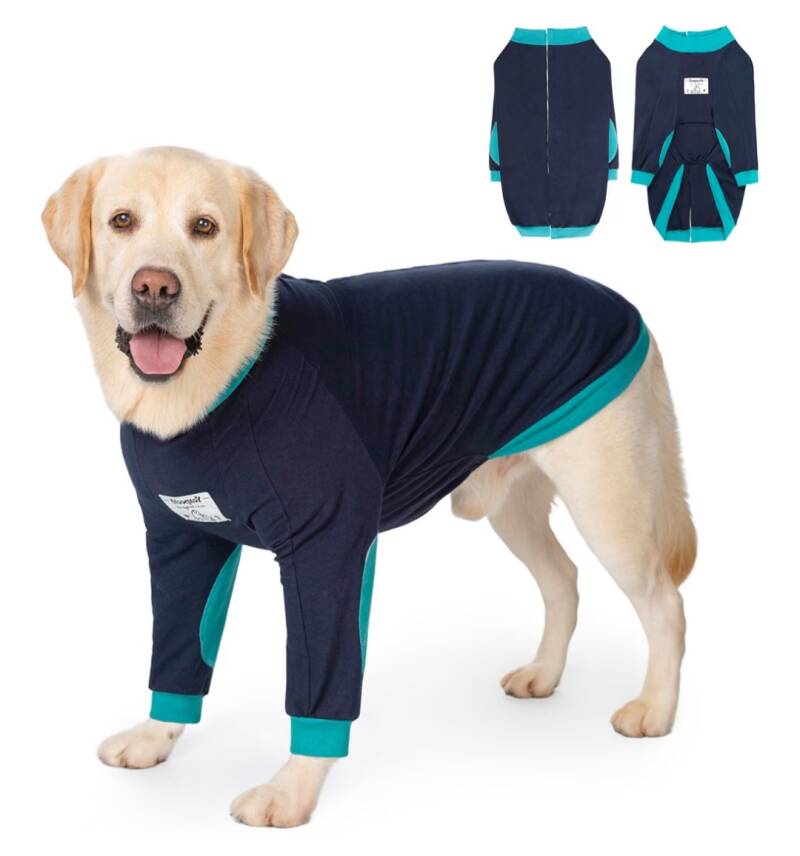
Stop the licking
This can be one of the hardest parts.
Your dog may feel like the wound is itchy and will naturally want to lick it.
But licking can keep reopening the skin and introducing more bacteria.
Depending on the location, your veterinarian may recommend an Elizabethan collar, recovery collar, protective clothing or another method of preventing access to the area.
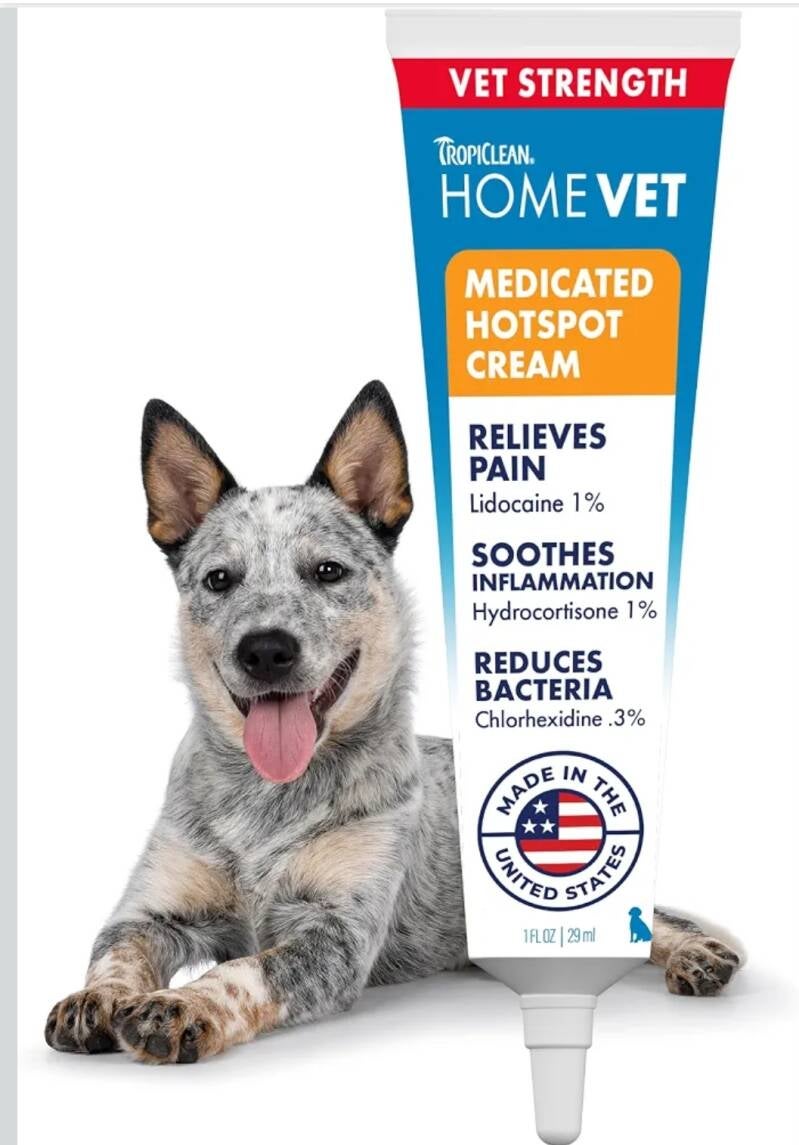
Don't shave or cut around a serious wound without guidance
You may see advice online telling you to immediately shave the entire area.
Sometimes clipping the surrounding fur is part of veterinary treatment because it allows the skin to be cleaned and kept dry.
But if the skin is extremely painful, bleeding or infected, trying to cut the fur yourself can hurt your dog or make the wound worse.
If you're unsure, ask your veterinarian.
Stop the licking
This can be one of the hardest parts.
Your dog may feel like the wound is itchy and will naturally want to lick it.
But licking can keep reopening the skin and introducing more bacteria.
Depending on the location, your veterinarian may recommend an Elizabethan collar, recovery collar, protective clothing or another method of preventing access to the area.
Don't shave or cut around a serious wound without guidance
You may see advice online telling you to immediately shave the entire area.
Sometimes clipping the surrounding fur is part of veterinary treatment because it allows the skin to be cleaned and kept dry.
But if the skin is extremely painful, bleeding or infected, trying to cut the fur yourself can hurt your dog or make the wound worse.
If you're unsure, ask your veterinarian.
Why prevention matters
Once a dog has experienced a hot spot, prevention becomes even more important.
Regular grooming can help you notice changes in the skin before they become major problems.
Check your dog's coat after spending time outside.
Pay particular attention after hiking, playing in grass, visiting a new yard or spending time around other animals.
Check for insects, ticks, burrs, plant material and anything else that may become attached to the coat.
And don't forget about moisture.
If your dog swims, gets caught in the rain or has a bath, dry the coat thoroughly.
Dogs with allergies or recurring skin problems may need a more specific prevention plan from their veterin
Could it happen again?
Unfortunately, yes.
A dog that develops hot spots may be more likely to develop them again, especially if there is an underlying trigger such as allergies, parasites, chronic itching or skin sensitivity.
That's why treating only the wound may not always be enough.
If your dog repeatedly develops hot spots, ask your veterinarian whether there could be an underlying cause.
Recurring skin problems deserve investigation rather than simply treating each individual wound as it appears.
What I learned from Grimly
The biggest lesson wasn't really about insects.
It was about how quickly something can change.
When I first removed that tiny insect from Grimly's fur, I never imagined that I would soon be looking at an open, irritated wound.
I didn't know whether the insect had caused it directly.
I didn't know whether something in the Long Island yard had irritated his skin.
I didn't know whether the initial bite had simply triggered scratching that eventually created the bigger problem.
And that's the point.
Sometimes you don't know exactly what started it.
What matters is recognizing that something is changing.
Dogs can't tell us that a small area of skin is beginning to hurt.
They communicate through scratching, licking, chewing, rubbing and changes in behavior.
As dog parents, we have to pay attention to those little signs.
My hot spot care kit for Grimly
After going through this experience, I started thinking differently about what I keep at home for Grimly.
I'm not talking about replacing veterinary care.
I'm talking about having basic, appropriate supplies available so that when something happens, you aren't starting from zero.
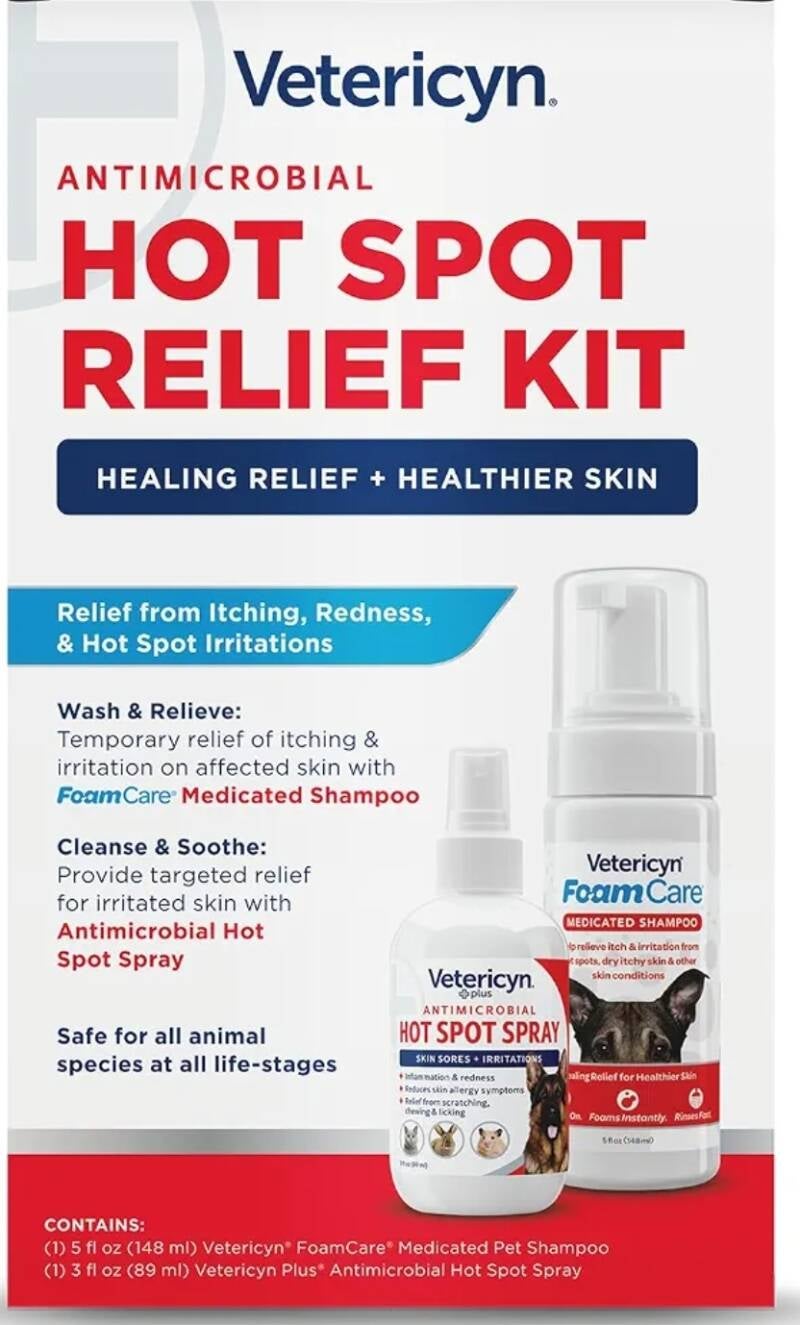
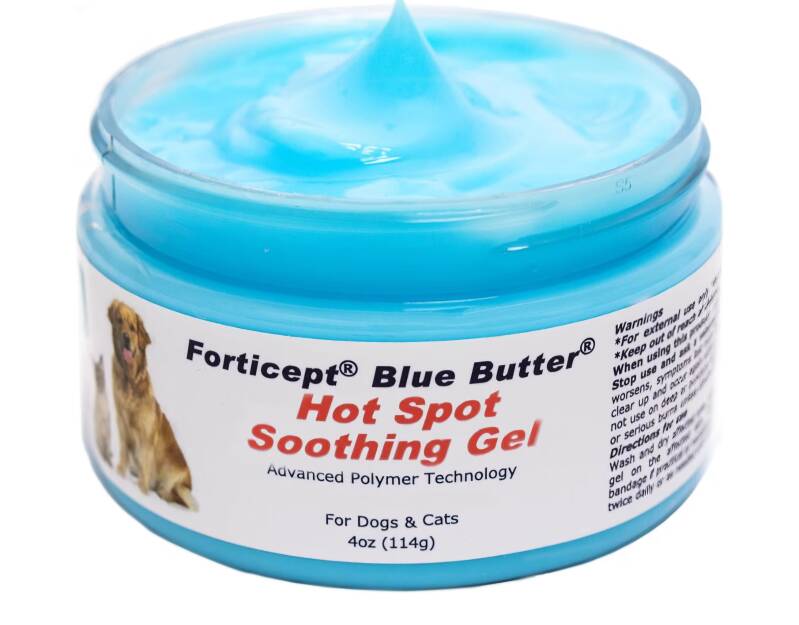
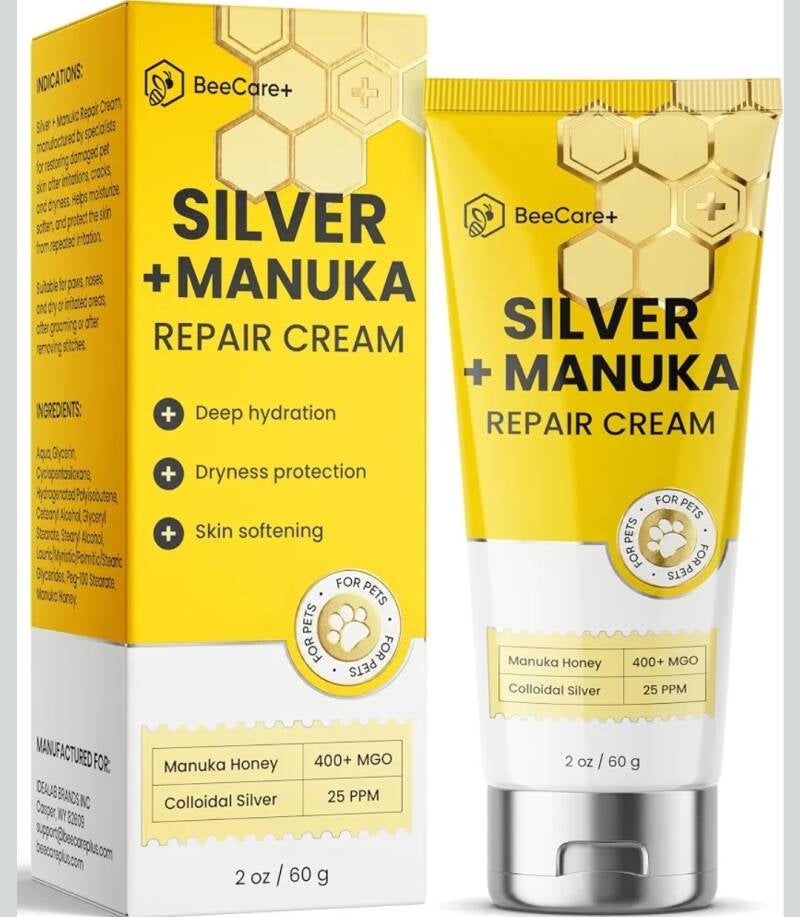
Some products can be useful for routine skin and coat care, cleaning, grooming and preventing your dog from reaching an irritated area.
And this is where I would recommend keeping a small dog first-aid and skin-care kit at home.
1. Pet-safe wound cleanser
A gentle, veterinarian-approved wound cleanser can be useful for cleaning minor wounds and irritated skin.
Look for products specifically formulated for dogs rather than automatically reaching for something from your own bathroom cabinet.
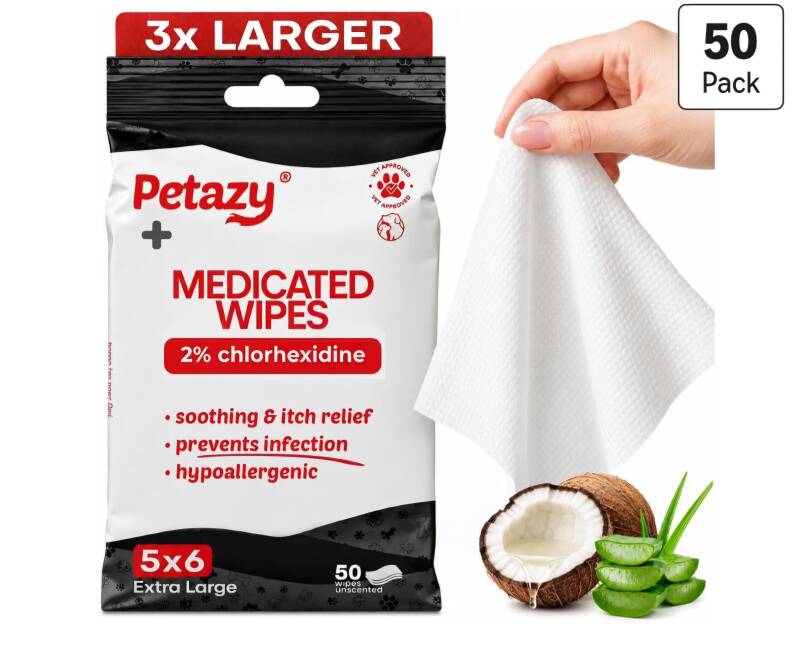
2. Antiseptic wipes or pads made for pets
These can be convenient when you need to clean a small area, especially when you're traveling.
They are also much easier to keep in a bag than a large bottle.
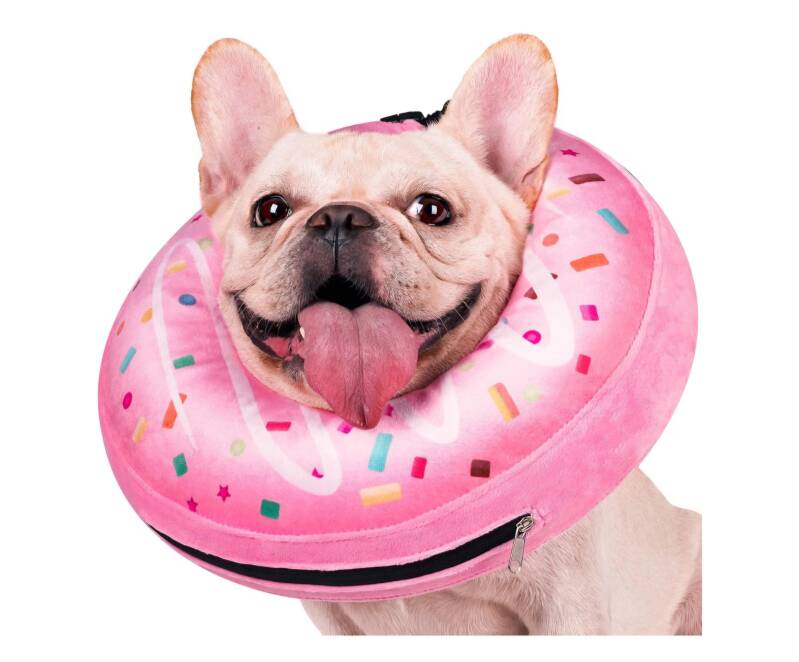
3. An Elizabethan collar or recovery collar
This is one of those things nobody wants to use until they suddenly need one.
If your dog keeps licking a wound, preventing access can be an essential part of allowing the skin to heal.
Having one at home can save you from trying to find one at the last minute.
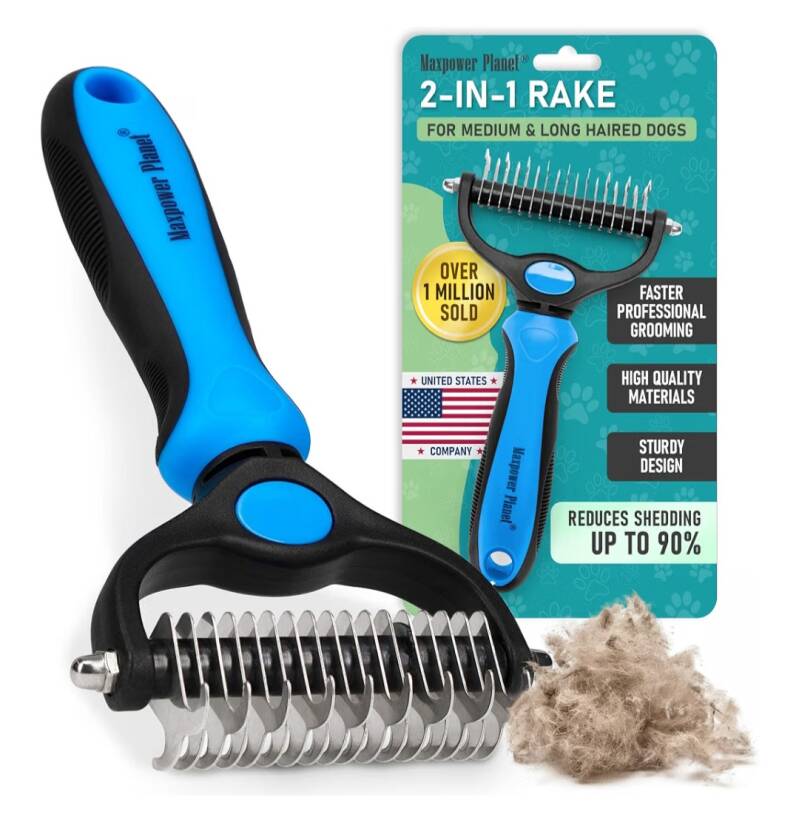
4. A good grooming brush
Regular brushing isn't just about making your dog look good.
It gives you an opportunity to inspect the skin.
For dogs with thick coats, grooming can help you notice unusual redness, bumps, moisture, parasites or areas where the fur is becoming matted.
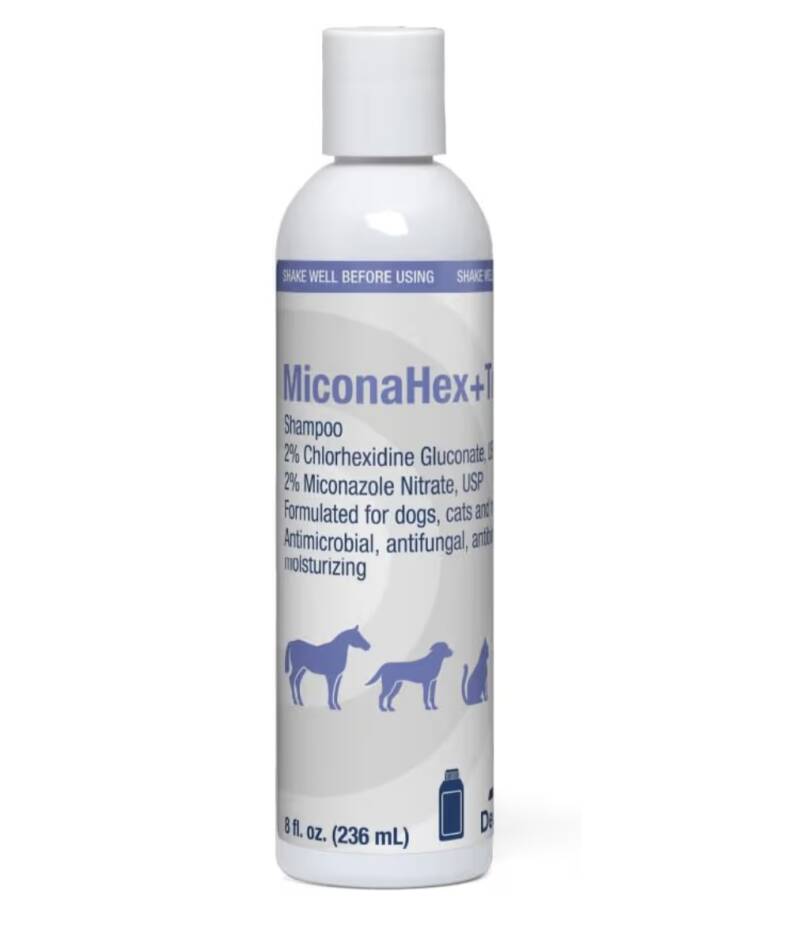
5. A gentle dog shampoo
If your veterinarian recommends bathing your dog as part of a skin-care routine, use a shampoo formulated specifically for dogs.
Avoid assuming that human shampoo is interchangeable with dog shampoo.
6. A pet thermometer and basic first-aid supplies
A basic pet first-aid kit can be useful for unexpected situations.
It doesn't replace a veterinarian, but it means you're better prepared for minor injuries, especially when you're away from home.

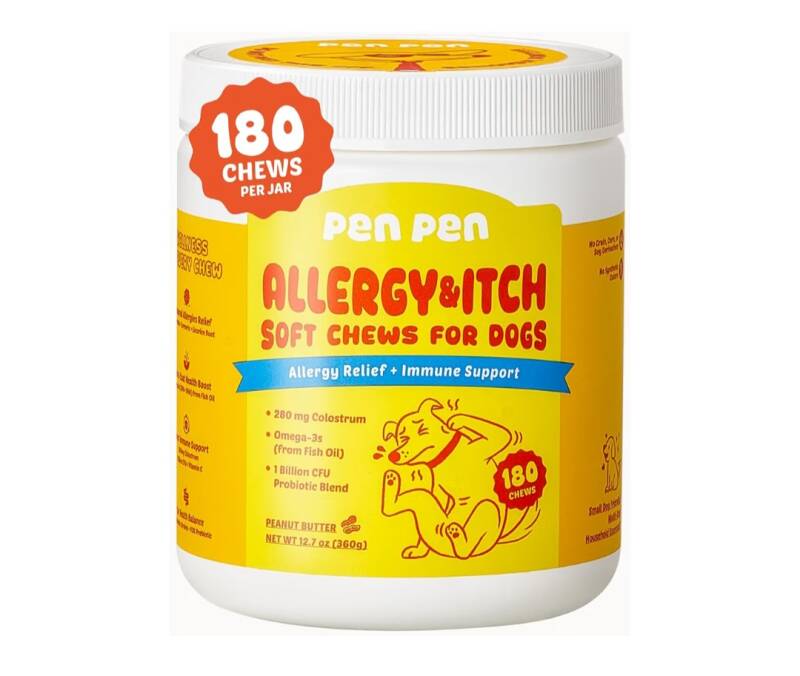
Amazon products I would actually consider useful
(Click any pics for the link🫶🏻)
Instead of filling this page with random Amazon products just to have affiliate links, I would keep the recommendations closely connected to what happened to Grimly.
The products I'd look for are:
Pet-safe wound cleanser
Useful for cleaning minor cuts, scratches and irritated areas.
Dog recovery cone or soft recovery collar
Useful when licking or scratching is preventing a wound from healing.
Dog first-aid kit
A convenient way to keep basic supplies together.
Pet antiseptic wipes
Good for quick cleaning when you're traveling or away from home.
Dog grooming brush or de-shedding tool
Useful not only for grooming but also for regularly checking the skin underneath the coat.
Gentle dog shampoo for sensitive skin
Especially useful for dogs that are prone to skin irritation, although dogs with recurring dermatological problems should be evaluated by a veterinarian.
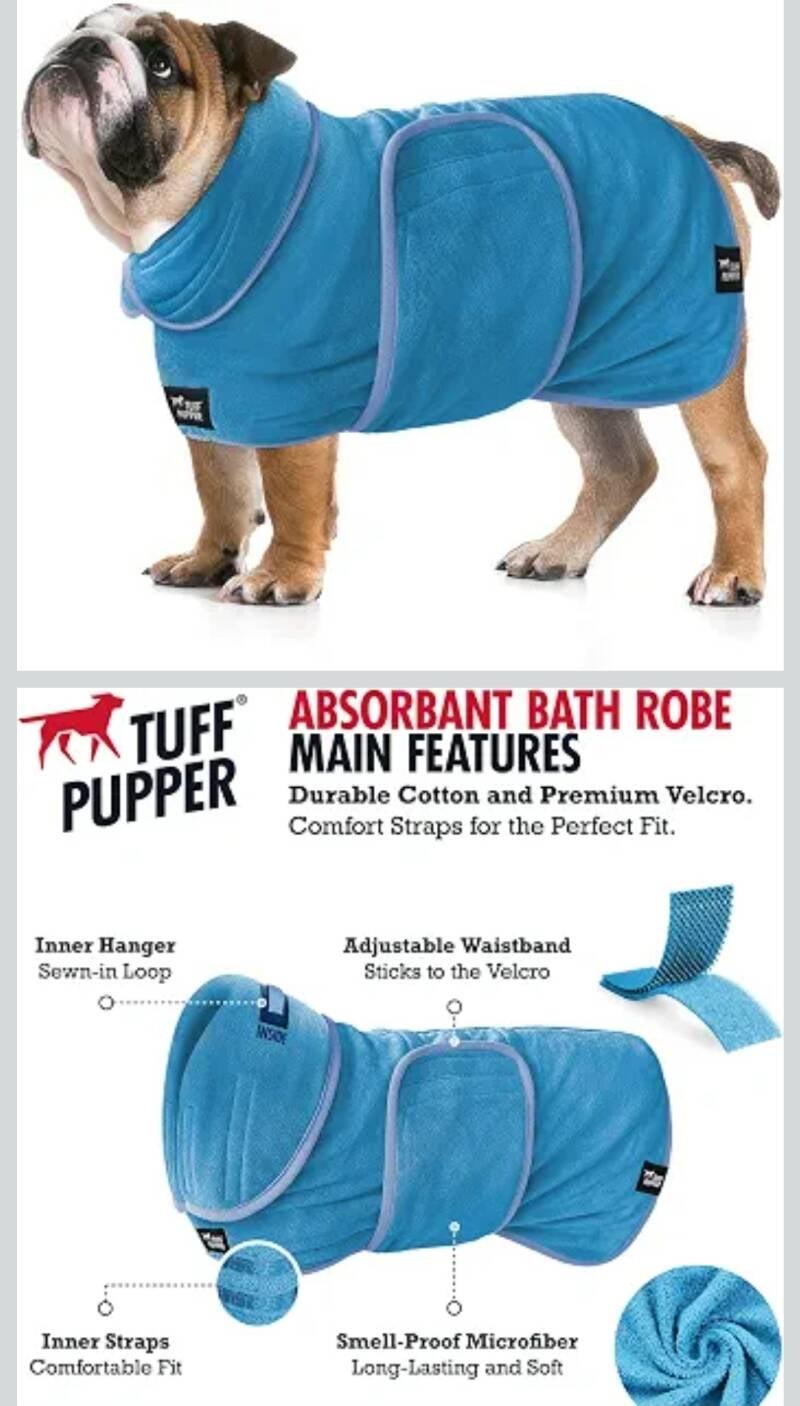
Pet drying towel
An underrated item, especially for dogs that swim, get wet outdoors or have thick coats.
Tick and flea removal tool
Particularly useful for dogs that spend time outdoors.
The important thing is to choose products based on your dog's specific needs and, for medicated or antiseptic products, follow veterinary guidance.
Disclaimer
This article is based on my personal experience with Grimly and is intended for general educational purposes only. It is not a substitute for veterinary diagnosis or treatment. If your dog develops a rapidly spreading, painful, bleeding, swollen, foul-smelling or oozing skin lesion, contact your veterinarian. Do not use medications or wound treatments on your dog without appropriate veterinary guidance.
Amazon disclosure
Some of the products mentioned on this page may be available through Amazon affiliate links. If you purchase something through one of these links, I may receive a small commission at no additional cost to you. I only want to recommend products that are genuinely relevant to the experience described here and potentially useful to other dog parents.
Add comment
Comments